
Radical transformations.
No bullshit.






Personal Development Coach in the UK
Personal development is easy to talk about and far harder to live, especially for driven people living and working in a demanding city like London. Most people like the idea of growth, change, and living at a higher standard, but very few are willing to make the decisions, hold the standards, and accept the discomfort that real development requires.
Over time, this creates a familiar pattern. People read more, reflect more, plan more, and yet their life remains broadly the same. The problem is rarely awareness. More often, people fail to turn insight into consistent action, and nothing truly changes.
If you are considering working with a personal development coach, that only makes sense if you are serious about changing how you think, decide, and operate. Otherwise, personal development becomes another interesting idea that never quite turns into a different life.
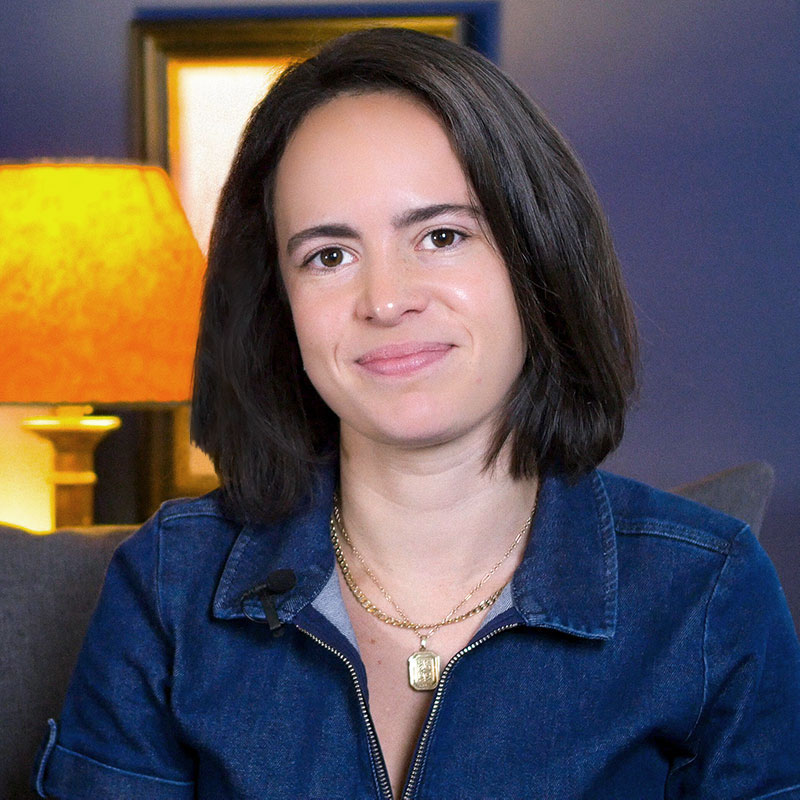
Coaching Success Story
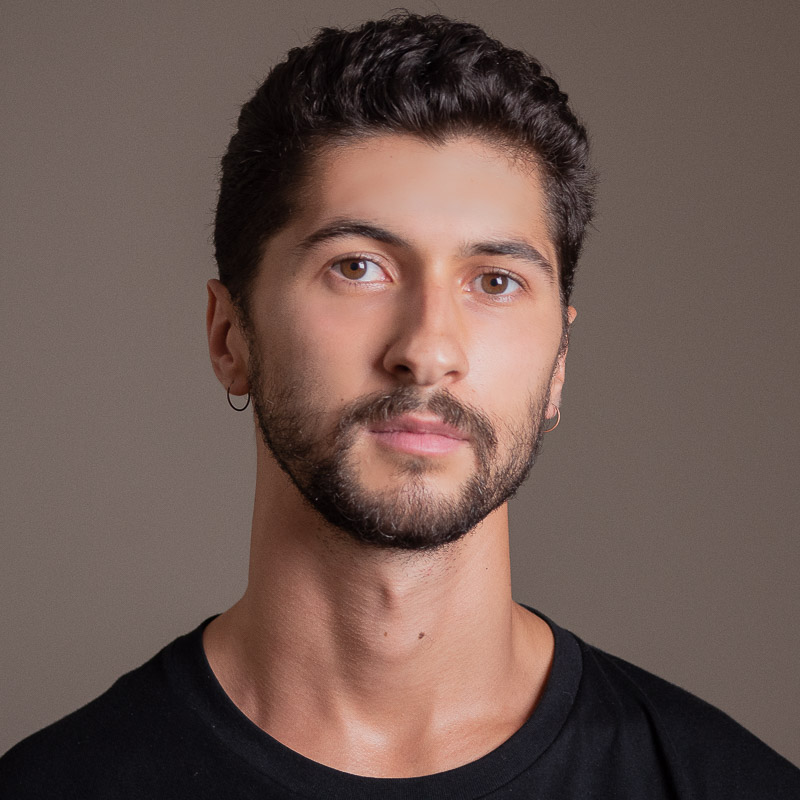
"I've finally started to do the things which I wanted to be doing, started to love myself a little bit more and this manifested in me going out and enjoying my life."
Jan Gromadzki
Actor & Massage Therapist
Personal Development Requires More Than Good Intentions
Personal development does not begin with ambition alone. It begins when good intentions are backed by action, structure, and a willingness to be honest about what is not working. Without that, even intelligent, self-aware people can spend years circling the same issues without making meaningful progress.
Many people say they want growth. They want more confidence, more clarity, better habits, stronger relationships, and greater control over their lives. What they do not always accept is that these things require change at the level of behaviour, not just thought.
This is where personal development becomes uncomfortable. It asks you to look closely at your decisions, your patterns, your standards, and the excuses you still allow. It asks for consistency when motivation is low, discipline when emotions fluctuate, and responsibility when it would be easier to blame circumstances.
Real development comes from correcting patterns, making better decisions, and holding a higher standard long enough for those changes to become more visible in your life.
Why Do Most People Stay Stuck in the Same Patterns?
Most people do not stay stuck because they are incapable of change. They stay stuck because the same patterns keep repeating, often in quieter, more socially acceptable ways than they realise.
They delay difficult decisions. They return to familiar habits. They confuse reflection with progress and intention with movement. Even when they know what needs to change, they hesitate at the point where change begins to demand something from them. They tell themselves they are “thinking it through”, but most of the time, they are just avoiding making a real decision.
There is also a tendency to break momentum too quickly. People start strongly, expect rapid results, and begin doubting the process the moment it becomes inconvenient or uncomfortable. Instead of staying with the work, they adjust, retreat, or start again from somewhere else.
Over time, this creates the illusion of effort without much real progress. Books are read. Ideas are discussed. Plans are made. Yet the same behaviours remain in place, and the same outcomes continue to appear. That is why so many people remain trapped in patterns they can already see. Awareness helps, but on its own, it rarely changes behaviour.
Do You Actually Need a Personal Development Coach?
Not everyone does. In some cases, people already have the discipline, self-awareness, and honesty required to correct themselves. They recognise what is not working, they make changes quickly, and they follow through without needing external pressure.
For many people, the problem is simpler. They see the pattern, but they still do not break it. They know what needs to happen, but they delay it, soften it, or negotiate with themselves until the urgency disappears.
This is where a personal development coach becomes useful. The value lies in clarity, accountability, and challenge. The right coaching relationship forces a more honest standard. It helps you see what you are avoiding, where you are lying to yourself, and what needs to change if you want a different result.
For people operating at a higher level, this becomes even more relevant. The cost of drift is greater. The patterns are often more subtle. The consequences of indecision, inconsistency, or self-deception are harder to ignore.
In that context, a personal development coach helps you develop in a way that is real, measurable, and visible in how you live.
What Real Personal Development Looks Like
People often expect personal development to feel dramatic. In reality, it usually begins much more quietly. It starts with a change in how you think, how you decide, and how you behave when old patterns are easier to repeat.
It shows up in the quality of your decisions. In how quickly you stop avoiding what needs to be faced. In how much responsibility you take for your standards, your habits, and the direction of your life. These changes may look small from the outside, but over time they alter far more than most people realise.
There is also a difference between self-improvement as a concept and personal development as a lived process. The first often stays in the world of ideas. The second changes the way you operate. It affects how you handle pressure, how you respond to setbacks, how you communicate, and what you are no longer willing to accept from yourself.
That is what real development looks like: visible progress in the way you live. Greater clarity. Better decisions. More emotional control. Fewer repeated mistakes. A stronger sense of direction. Over time, the change stops feeling temporary and starts becoming part of who you are.
Why Personal Growth Often Fails Without Structure
Personal growth often fails for a simple reason. Good intentions are left to compete with habit, mood, distraction, and comfort, and on most days that is a fight they lose.
Without structure, people rely too heavily on how they feel. When motivation is high, they reflect, plan, journal, or make promises to themselves. When motivation drops, so does the standard. The desire to grow is still there, but the behaviour becomes inconsistent, and inconsistency is where progress starts to break down.
Structure matters because it turns vague effort into something repeatable. It creates a framework for decisions, actions, and accountability. It reduces the constant negotiation people have with themselves and replaces it with a clearer standard. Instead of wondering whether they feel ready, they know what needs to happen next.
This is why so many people make partial progress and then drift. They are not always lacking intelligence, depth, or sincerity. More often, they are trying to change without a system strong enough to hold that change in place. Personal growth without structure may feel meaningful in the moment, but it rarely produces durable results.
What Working With a Personal Development Coach Actually Involves
Working with a personal development coach should involve far more than a few encouraging conversations. Done properly, it is a process of examining how you think, where you hold yourself back, and what needs to change if you want your life to move in a different direction.
That usually begins with clarity: a more honest understanding of where you are now, what is no longer acceptable, and what kind of person you need to become in order to create better results. Without that, people tend to chase improvement in general terms and get nowhere specific.
From there, the work becomes more practical. Decisions are examined more closely. Patterns are identified more quickly. Avoidance becomes harder to hide. Standards become clearer. The right conversations challenge the stories people tell themselves, the excuses they still protect, and the behaviour that continues to undermine their progress.
There is also accountability, and it goes far beyond someone checking whether a box has been ticked. Real accountability means being held to a higher level of honesty and follow-through. It means reducing the gap between what you say matters and how you actually live.
At a higher level, this is what coaching really is: clearer thinking, more honest self-observation, better decisions, higher standards, and enough pressure to make real development unavoidable. The aim is a change that can be seen in the quality of your life.
Is Personal Development Coaching Worth It?
For the right person, it can be extremely valuable. For the wrong person, very little changes. The outcome depends not only on the quality of the coach but also on the willingness of the individual to be honest, challenged, and consistent over time.
Personal development coaching is worth it when someone is genuinely ready to stop circling the same issues and start dealing with them properly. It becomes valuable when insight is followed by action, when patterns are interrupted rather than merely discussed, and when responsibility is taken seriously enough for behaviour to change.
For people operating at a higher level, the value can be even greater. The patterns are often more subtle, the blind spots more expensive, and the consequences of drift more serious. For people in demanding roles, especially in a city like London, the cost of drifting for another few years is usually far higher than the cost of getting support now. In that context, the right coaching can accelerate progress, improve decision-making, and prevent the kind of repeated errors that quietly limit growth for years.
Personal development coaching becomes valuable when it changes the way you think, decide, and act. It raises your standards, improves your thinking, and makes your actions more deliberate. For the right person, that can be a powerful investment.
If you are serious about building a stronger, clearer, and more deliberate way of living, book a complimentary initial consultation.
Success Stories
Watch and read what my clients have to say about me and our journey together.
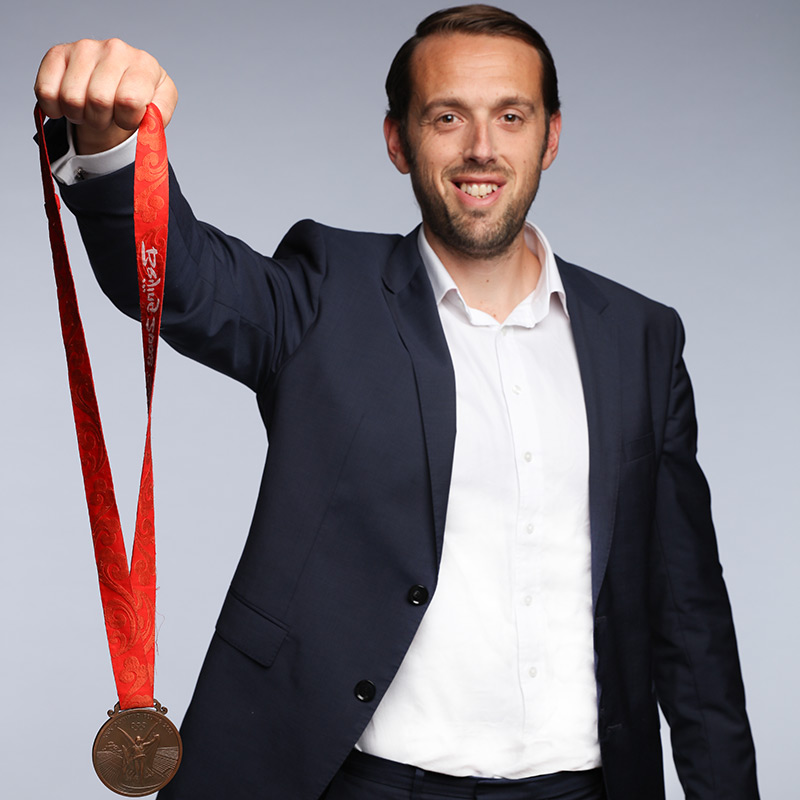

Nicky Hambleton-Jones
Executive Personal Stylist, Consultant & TV Presenternickyhambletonjones.com