
Radical transformations.
No bullshit.






Positive Psychology Coach London
Positive psychology is often misunderstood. People hear the phrase and assume it means optimism, positive thinking, or some softer way of dealing with difficult realities. It goes much deeper than that. It is about improving how you think, respond, and function so your life is no longer quietly run by stress, negativity, or self‑defeating patterns.
For many intelligent and capable people, the issue is not effort. They work hard, think deeply, and carry responsibility well. Yet they still feel flat, mentally drained, or strangely disconnected from the life they have built. The problem is rarely visible from the outside, but it affects performance, relationships, resilience, and the quality of everyday experience.
If you are considering working with a positive psychology coach, it should be because you want to think more clearly, function more effectively, and live with greater stability, perspective, and control. Otherwise, the idea remains interesting, but nothing meaningful changes.
Coaching Success Story

"The biggest outcomes from working with Michael were a huge improvement in my confidence and mental health, along with a clear path forward."
Michelle Apostolou
Property Investor, Mentor & Speaker
Positive Psychology Is Not About Forced Positivity
Positive psychology does not require you to pretend everything is fine when it clearly is not. It deals with difficulty more honestly and more effectively than that. Done properly, it helps you deal with reality better, not escape it.
This matters because many people have had enough exposure to shallow self-help language to become sceptical of anything that sounds too positive. Fair enough. A lot of what is sold under that label deserves to be questioned. Real positive psychology has very little in common with emotional avoidance or motivational fluff.
Its focus is practical. It looks at strengths, habits, perspective, emotional regulation, resilience, meaning, and the conditions that allow people to function well over time. It asks what helps people cope better, think more accurately, recover faster, and build lives that are not only successful on paper but sustainable in reality.
That is why the subject matters. Used properly, positive psychology does not make people softer, more naive, or less ambitious. It helps them handle pressure, challenge, and responsibility far better.

Why Do So Many Intelligent People Still Feel Stuck, Drained, or Disconnected?
Because intelligence does not protect anyone from poor patterns. In many cases, it simply makes those patterns easier to justify. The smarter you are, the better the stories you can tell yourself to avoid changing anything.
Some people become trapped in chronic overthinking. Others drift into a kind of high-functioning dissatisfaction, where life looks fine from the outside but feels flat, repetitive, or emotionally thin from within. Some lose energy because they are constantly operating under pressure without enough recovery, meaning, or perspective. Others achieve what they thought they wanted, only to discover that success has not produced the internal stability they expected.
There is also the problem of adaptation. People adjust to stress, to overwork, to emotional heaviness, and to a constant background level of dissatisfaction. After a while, what should feel unacceptable starts to feel normal. They continue functioning, but with less clarity, less enthusiasm, and less connection to themselves.
This is one of the reasons the problem often goes unaddressed for too long. Capable people are good at carrying on. They keep producing, keep coping, and keep meeting expectations, even while something important begins to wear down underneath. Over time, that creates a version of success that may still look impressive, but feels increasingly detached from energy, meaning, or fulfilment.
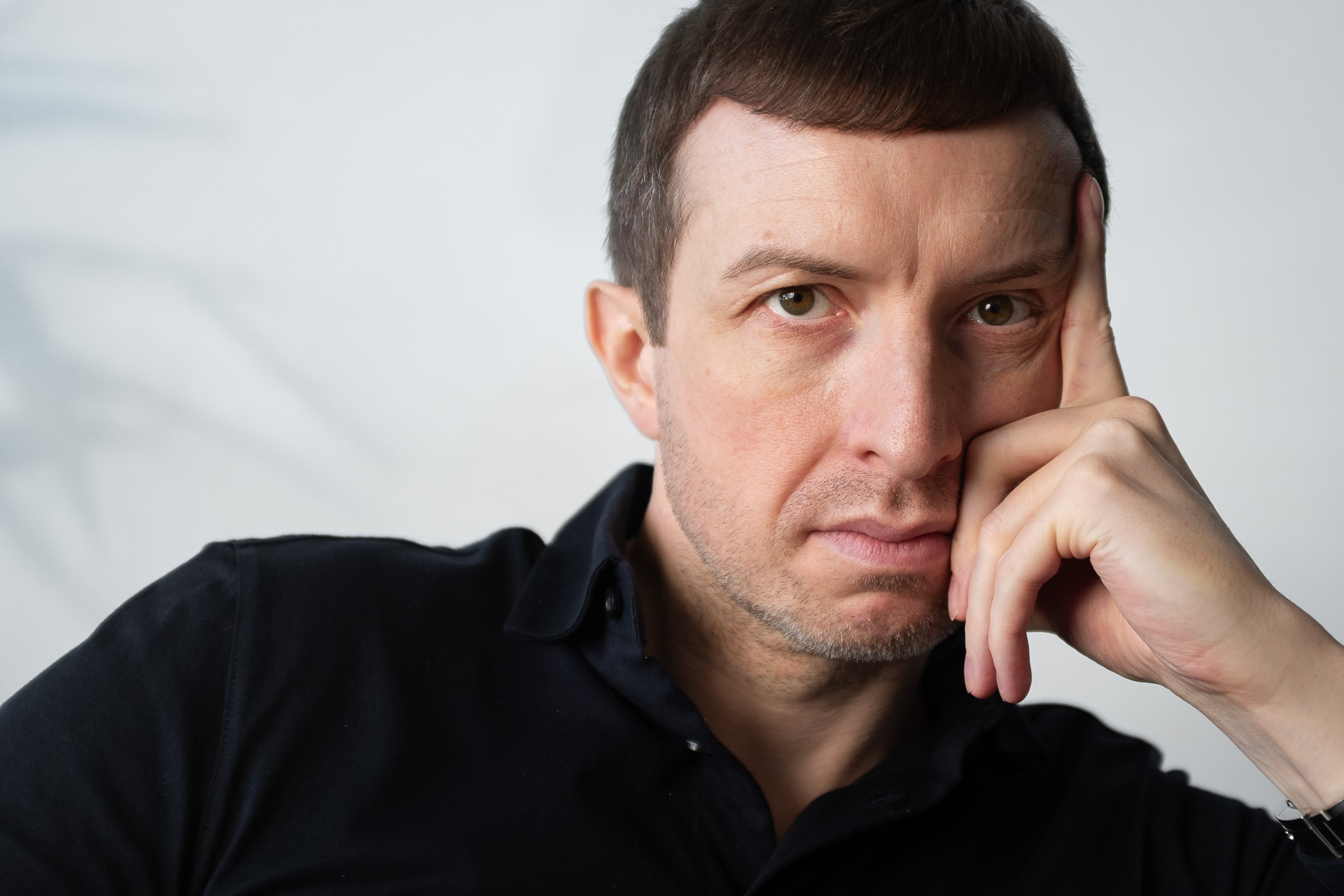
Do You Actually Need a Positive Psychology Coach?
Not everyone does. Some people are able to observe themselves honestly, adjust their habits, strengthen their perspective, and improve the way they live without much outside help. They notice when something is off, and they deal with it before it becomes a deeper pattern.
For many people, however, that process is not so straightforward. They know they are not functioning at their best, but they cannot clearly identify what needs to change or sustain the changes long enough for them to matter. They keep circling the same thoughts, the same emotional habits, and the same internal friction without moving far beyond them.
This is where a positive psychology coach can be useful. The value lies in better perspective, clearer thinking, and a more structured way of improving how you function. It goes beyond feeling better in the moment. What matters more is understanding what supports resilience, confidence, clarity, and wellbeing in a way that can actually be applied in daily life.
For people operating at a high level, this can be especially relevant. When the pressure is constant and the standards are high, even subtle psychological patterns can have a significant effect on performance, decision-making, relationships, and quality of life. The right coaching helps bring those patterns into focus and improve them in a way that is grounded, measurable, and useful.
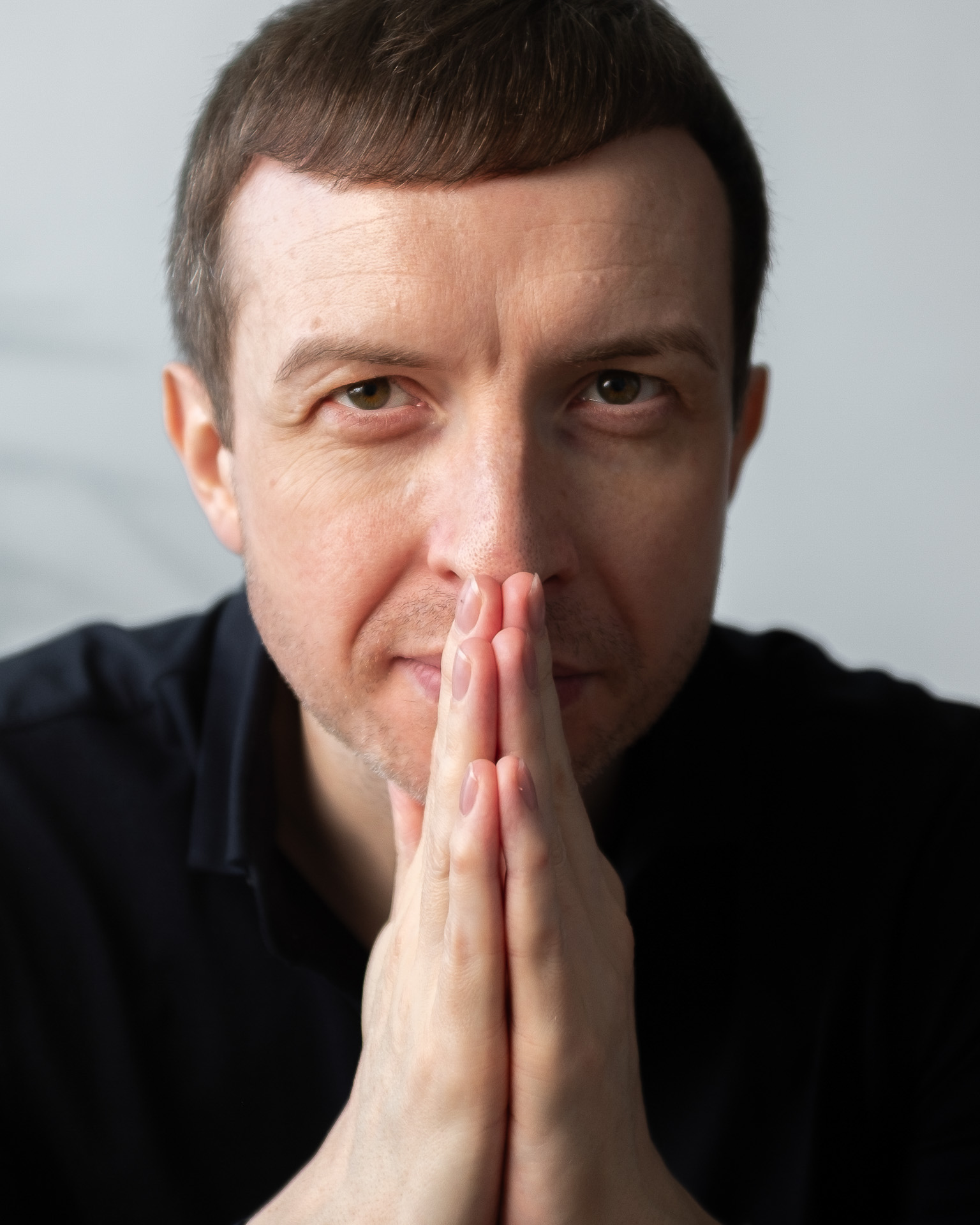
What Positive Psychology Looks Like in Real Life
In real life, positive psychology becomes visible in how people function. It appears in the way they handle pressure, how quickly they recover from setbacks, how accurately they interpret difficult situations, and how much control they retain over their state rather than being constantly pulled around by it.
It can be seen in emotional regulation, but also in perspective. In the ability to pause before reacting. In the habit of focusing on what is useful rather than what is merely dramatic. In stronger boundaries, healthier relationships, better use of energy, and a clearer connection to what gives life meaning beyond immediate demands.
It also affects how people work. They make better decisions when they are less mentally depleted. They are more resilient when they are not relying on constant force. They stay engaged for longer when their life contains enough meaning, structure, and recovery to support sustained effort. These are not soft outcomes. They change the quality of performance as much as the quality of life.
Over time, positive psychology becomes visible in the way someone lives. There is less internal friction, more steadiness, better thinking, more realistic optimism, and a stronger capacity to function well without losing themselves in the process.
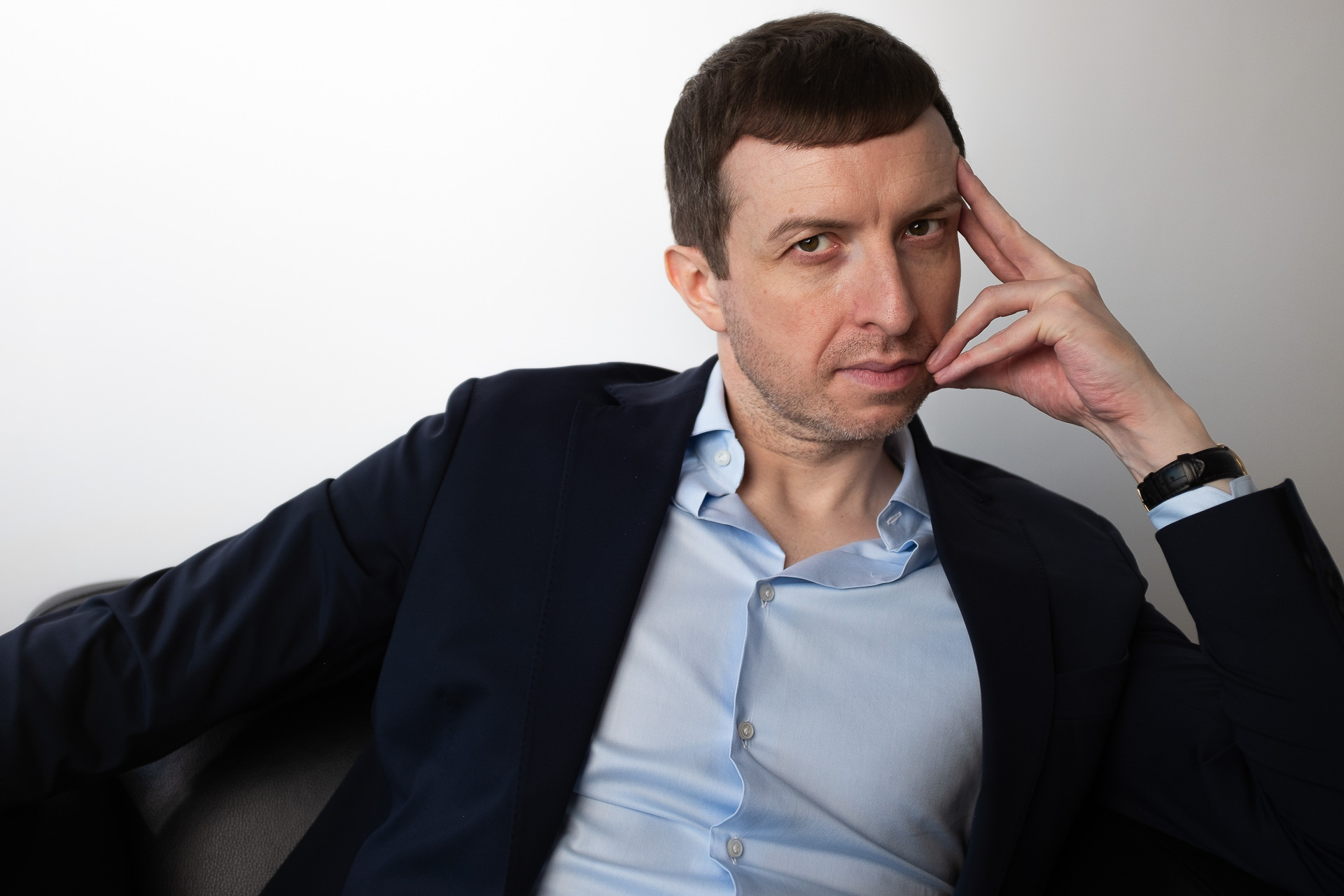
Why Insight Alone Rarely Improves Wellbeing or Performance
Insight can be useful, but it is often given too much credit. Many people understand themselves reasonably well. They know their patterns, they can describe their stress, and they can even explain why they behave the way they do. Yet their daily experience remains largely unchanged.
The reason is simple. Insight does not automatically alter behaviour. It does not create structure, improve habits, regulate emotion, or strengthen perspective under pressure. Without repeated application, even accurate self-understanding remains mostly conceptual.
This is one of the reasons intelligent people can stay stuck for so long. They become excellent at explaining themselves, but much weaker at interrupting the patterns that keep producing the same outcomes. Awareness may reduce confusion, but on its own it rarely improves wellbeing or performance in a lasting way.
Real improvement usually happens when insight is translated into action. That means better habits, stronger boundaries, more honest self-observation, greater emotional control, and more deliberate choices made consistently over time. Without that bridge, personal insight remains interesting but underused.
What Working With a Positive Psychology Coach Actually Involves
Working with a positive psychology coach should involve far more than encouragement alone. Done properly, it is a structured process of understanding what supports you psychologically, what undermines you, and how to improve the way you think, respond, and function over time.
That usually begins with a more accurate picture of where you are now. How you deal with stress. How you recover. What drains you. What strengthens you. Where your thinking helps you, and where it quietly works against you. Without that level of honesty, people often end up chasing vague improvement without changing very much.

From there, the work becomes more practical. Patterns are examined. Habits are strengthened. Perspective is corrected where needed. Emotional regulation improves. Strengths are used more deliberately. The aim is to build a way of living that supports resilience, effectiveness, and a more stable internal state.
There is also accountability, and it means being held to a more honest standard. The process becomes less about discussing what would be good in theory and more about applying what actually improves your life in practice.
At its best, this kind of coaching helps people function better without becoming rigid, optimistic without becoming naïve, and more successful without becoming internally depleted. It brings together psychology and action in a way that is both grounded and useful.
Is Positive Psychology Coaching Worth It?
For the right person, it can be extremely valuable. For the wrong person, it will have a limited effect. The outcome depends not only on the quality of the coach but also on the willingness of the individual to apply what is being explored and changed.
Positive psychology coaching is worth it when it improves how someone lives on a daily basis. It improves clarity, emotional regulation, resilience, energy, habits, and the quality of decisions made under pressure. These changes may not always look dramatic from the outside, but over time they have a profound effect on both wellbeing and performance.
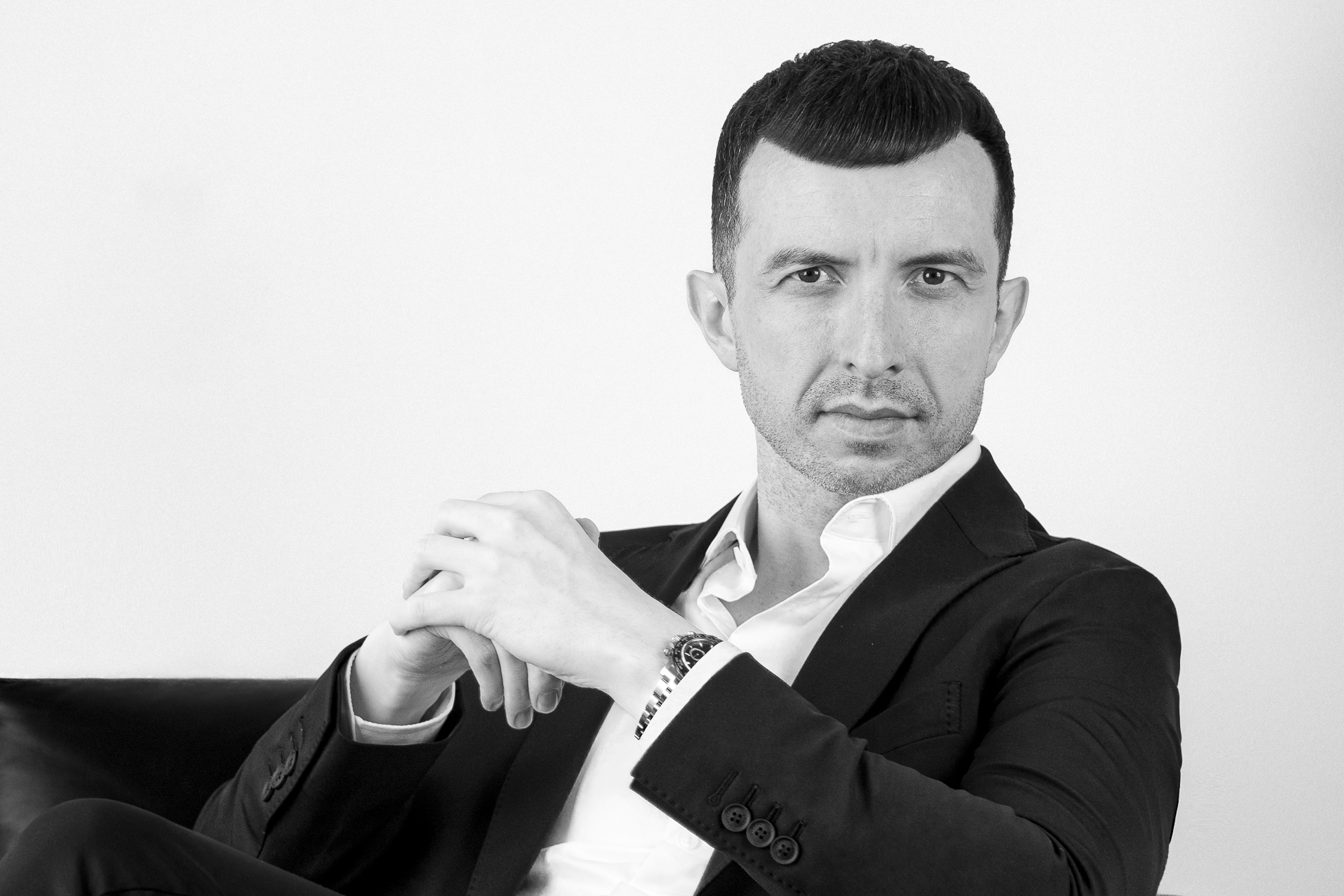
For people operating at a high level, the value can be especially clear. When demands are high and the pace rarely slows down, psychological quality matters. It affects how well you think, how well you lead, how well you recover, and how sustainable your success actually is. In that context, the right coaching can help reduce internal friction and improve the quality of how you function across every important area of life.
If you are serious about functioning better, thinking more clearly, and building a life that is both effective and psychologically sustainable, book a complimentary initial consultation.
Success Stories
Watch and read what my clients have to say about me and our journey together.

Nicky Hambleton-Jones
Executive Personal Stylist, Consultant & TV Presenter
nickyhambletonjones.com

Jan Gromadzki
Actor & Massage Therapist