Radical transformations.
No bullshit.






Success Coach London – From Potential to Power
A successful life is not something you hope for. It is something you build, deliberately, through the standards you choose to live by. With the right decisions, the right structure, and the right level of personal discipline, you create more freedom, more control, and a clearer sense of direction. Most people like the idea of this. Very few are willing to actually live that way.
Coaching Success Story
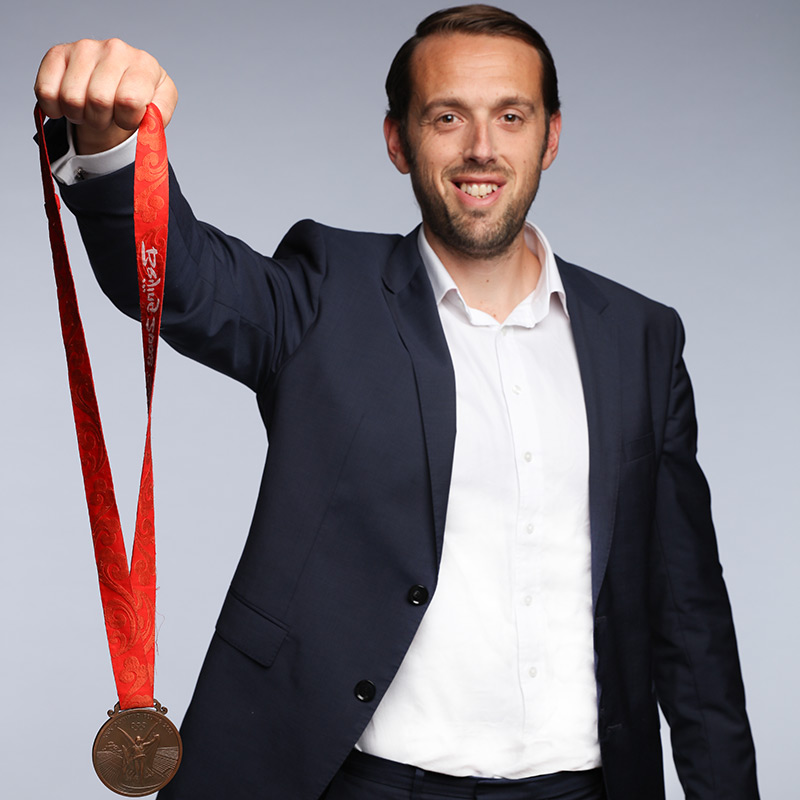
"If you want to make changes, shift and be the best version of yourself, if you're prepared to sacrifice things, he’s your guy. It’s limitless what you can do in this world, and Michael will help you do things you never thought possible."
Steve Rowbotham
Entrepreneur, Olympic Athlete
For some people, that happens naturally, but for most it doesn’t. Their actions are inconsistent, their focus shifts too often, and the standards they set for themselves disappear the moment things get uncomfortable.
Over time, that creates a gap between what they say they want and what their life actually looks like, and that gap tends to widen unless something changes in how they think, decide, and operate on a daily basis.
If you’re considering working with a successful life coach, this only works if you’re ready to operate at a standard that produces results.
Success Is a Standard You Either Live By or You Don’t
Success is rarely the result of a single moment, a lucky break, or a sudden shift in thinking. It tends to come from something far less dramatic and far more demanding: the ability to operate by a consistent standard over time.
That standard shows up in how you think, how you make decisions, and how you act when it would be easier not to. It requires discipline that does not fluctuate with mood, motivation, or circumstance, and it removes the small daily negotiations that keep most people stuck.
Most people are comfortable with the idea of success. What they are less comfortable with is the level of consistency it requires. Because once you begin to operate at a higher standard, there is less room for hesitation, less tolerance for delay, and far fewer excuses that still feel acceptable.
This is where the gap begins to form. Not in knowledge, experience or even intelligence, but in the ability to hold a standard when it would be easier to lower it, and to do so repeatedly, long enough for it to produce measurable results.

Why Do Most People Never Become Successful?
Most people keep changing direction before anything has time to work. They start with energy, adjust too quickly, and walk away at the exact moment the process begins to require patience. What looks like effort is often just movement. Plans are rewritten. Priorities shift. Decisions are revisited instead of executed. On paper, they look busy. In reality, they are just avoiding the one decision that would actually move their life forward.
Even when they stay on one path, they expect results too quickly. When progress is slower than expected, doubt replaces commitment, and the process is interrupted before it has a chance to produce anything meaningful.
Many people overthink at the exact point where execution is required. Instead of acting, they analyse, refine, and prepare, convincing themselves they are making progress when they are really just avoiding discomfort.
These patterns compound over time. Not dramatically, but quietly, through missed repetitions, broken momentum, and decisions that are never fully carried through.
Success comes from doing a small number of things consistently, at a standard most people are not willing to maintain for long enough.
Do You Actually Need a Success Coach?
Most people don’t need a coach. They need to finally do what they already know. For some people, progress happens naturally, without external input, because their standards are already high and their execution is consistent over time.
For most people, the problem shows up in their decisions. They hesitate, adjust too quickly, or change direction before anything has time to work. The issue is not what they know, but how they choose to act when it matters.
A coach becomes relevant at the point where self-correction stops working. When patterns repeat, momentum breaks, and the same decisions keep leading to the same outcomes, despite effort and intention.

The role of a success coach is to provide clarity, structure, and accountability at a level that is difficult to maintain alone. This often includes challenging assumptions, removing unnecessary complexity, and ensuring that execution actually happens.
For people operating at a higher level, the need becomes more specific. The margin for error is smaller, the decisions carry more weight, and the cost of inconsistency is significantly higher.
In that context, a coach is not an optional extra, but a practical way to maintain standards, accelerate progress, and avoid costly mistakes.
What Does Real Success Look Like?
Success is often reduced to visible outcomes such as income, status, or external recognition. While these can be part of it, they rarely provide a complete picture.
Success tends to be quieter and more structural. It shows up in how consistently you operate, how clearly you make decisions, and how aligned your actions are with what you actually want.
There is also a difference between achievement and fulfilment. It is possible to reach targets, build something impressive, and still feel disconnected from it if the direction was never fully your own.
Real success combines both. It allows for measurable progress while maintaining a sense of control, clarity, and personal alignment.
It also creates stability. Not in the sense of comfort, but in the ability to handle pressure, adapt when needed, and continue moving forward without losing direction.
Over time, success becomes less about reaching a specific point and more about how you operate on a daily basis, regardless of the external circumstances.

Why Are You Still Not as Successful as You Should Be?
Most people have a sense that they are capable of more. The gap is rarely invisible. It shows up in results that don’t match expectations, in plans that don’t translate into action, and in a level of progress that feels slower than it should be.
Part of it comes down to avoidance. Not in an obvious way, but in small, repeated decisions to delay what matters most. Attention shifts to easier tasks, priorities become blurred, and the work that would create real movement is postponed.
There is also a tendency to stay within what feels familiar. Even when better options are available, people often return to patterns they already know, because they are predictable and require less adjustment.
Standards play a role as well. What people accept from themselves on a daily basis shapes what they eventually get. When expectations are flexible, execution becomes inconsistent, and progress follows the same pattern.
Over time, these behaviours create a version of life that feels below potential, because their actions remain inconsistent when it matters most.

Is Success Coaching Worth It?
For the right person, it can be one of the most effective ways to accelerate progress. For the wrong person, it changes very little, regardless of how experienced the coach is or how structured the process may be.
The difference comes down to how the work is approached. Coaching only works when it is applied consistently, when decisions are followed through, and when feedback is used to adjust behaviour rather than simply understood and set aside.
Without that, it becomes another conversation. Insight without execution rarely produces meaningful change, and over time it starts to resemble everything else that was started with good intentions but never fully carried through.
For individuals operating at a higher level, the value tends to be clearer. The decisions are more complex, the margin for error is smaller, and even minor improvements in thinking or execution can produce disproportionate results.
In that context, coaching is less about learning something new and more about refining how you operate, how you make decisions, and how you maintain standards under pressure over a sustained period of time.
Success coaching can be a powerful next step for people who are ready to operate at a higher standard. And if you’re looking for a success coach in the UK, you are not short of options – but very few will challenge you at the level you actually need. Without that level of commitment, results are unlikely to change.
If that describes where you are, book a complimentary initial consultation.
Success Stories
Watch and read what my clients have to say about me and our journey together.